The selection of the rated component insulation level consists of the selection of standard insulation withstand voltages that provide sufficient margin above the system overvoltage stress.
The tests required to verify the component rated maximum voltages are defined by the relevant apparatus standards. The component low-frequency, short-duration withstand voltage is selected from the list of standard withstand voltages provided in 4.5. The standard BIL and BSL values are selected from the table in 4.6.
Low-frequency, short-duration withstand voltages
The following list of low-frequency, short-duration withstand voltages (rms values, expressed in kilovolts), are extracted from IEEE Std C57.12.00-1993 and IEEE Std C57.21-1990. The withstand value should be taken from this table.
10, 15, 19, 26, 34, 40, 50, 70, 95, 140, 185, 230, 275, 325, 360, 395, 460, 520, 575, 630, 690, 750, 800, 860, 920, 980, 1040, 1090
The relevant apparatus standards recognize low-frequency, short-duration withstand voltages other than
those listed above. Refer to these other standards for specific values.
Standard BIL and BSL
The BIL and BSL values should be taken from this table.
10, 20, 30, 45, 60, 75, 95, 110, 125, 150, 200, 250, 350, 450, 550, 650, 750, 825, 900, 975, 1050, 1175, 1300, 1425, 1550, 1675, 1800, 1925, 2050, 2175, 2300, 2425, 2550, 2625, 2675, 2800, 2925, 3050
Some apparatus standards recognize that a fixed relationship between BIL and BSL is appropriate for specific equipment and substation assemblies. Therefore the BSL may differ from the table values. In such cases, refer to the relevant apparatus standards for specific values.
Classes of maximum system voltage
The standard highest voltages are divided into the following two classes:
— Class I: Medium (1–72.5 kV) and high (72.5–242 kV) voltages: > 1 kV and </=242 kV
— Class II: Extra high and ultra high voltages: > 242 kV
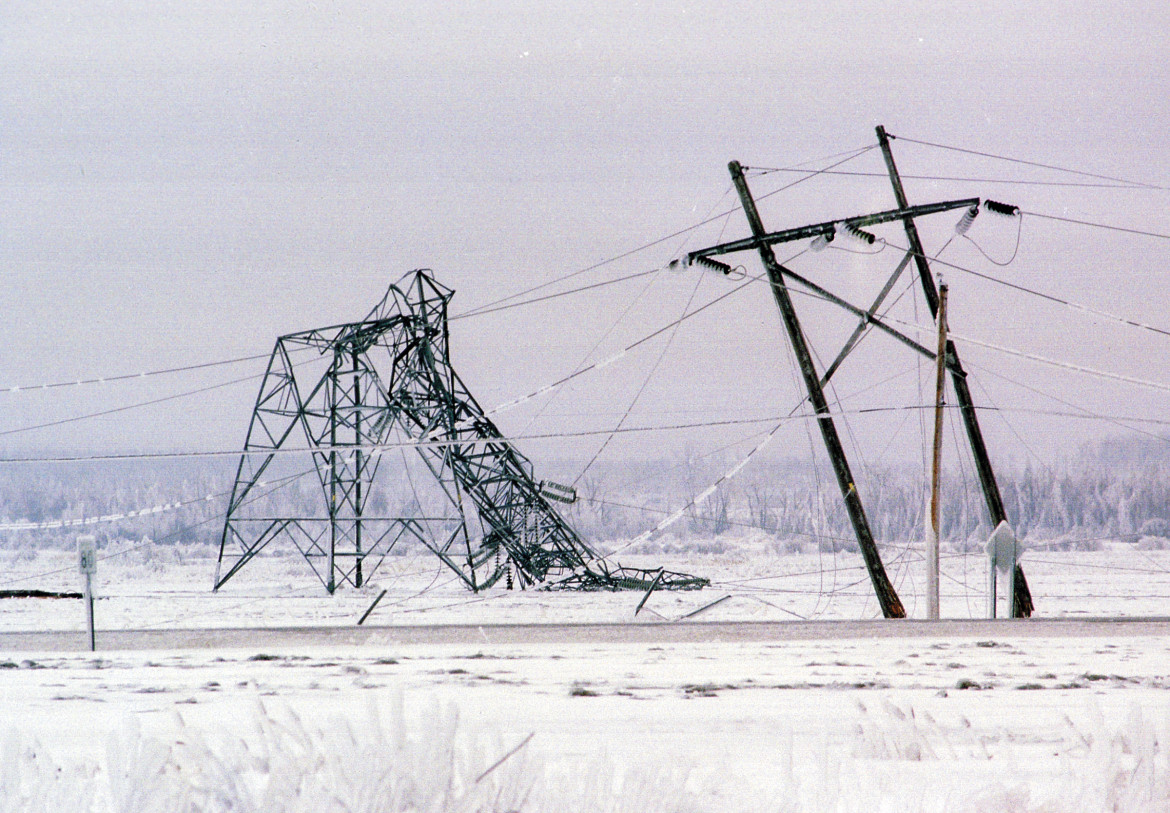
 When a conductor is covered with ice and/or is exposed to wind, the effective conductor weight per unit length increases. During occasions o...
 To apply busways properly in an electric power distribution system, some of the more important items to consider are the following. Current...
No comments:
Post a Comment