Receptacles are a little more straightforward than three- and four-way switches. With a single duplex receptacle, you’re dealing with one or two cables coming into the box.
An end-of-the-run receptacle will have one cable, and a middle-of-the-run will have two. The receptacle has two sets of terminal screws, silver for the neutral wires and brass for the hot.
After shutting off the power and testing the terminal screws, remove the outlet by loosening the screws attaching it to the box.
Remove the hot and neutral wires, noting their position on the outlet (hot upper, hot lower, neutral upper, neutral lower) by marking the position on an attached piece of masking tape.
Reconnect to the new receptacle in the same locations, and gently push the wires back into the box while reattaching the new receptacle.
Turn on the power at the service panel or fuse box and test.
Transmission Lines Design, Electrical Engineering Calculations, Substation Notes, Line Parameters, Relay Protection Tutorials, and Engineering Guides for Students and Professionals.
Subscribe to:
Post Comments (Atom)
Ferranti Effect vs. Corona Effect vs. Reactive Power Effects
Ferranti Effect vs. Corona Effect vs. Reactive Power Effects A complete technical comparison for long AC transmission lines This is a n...
-
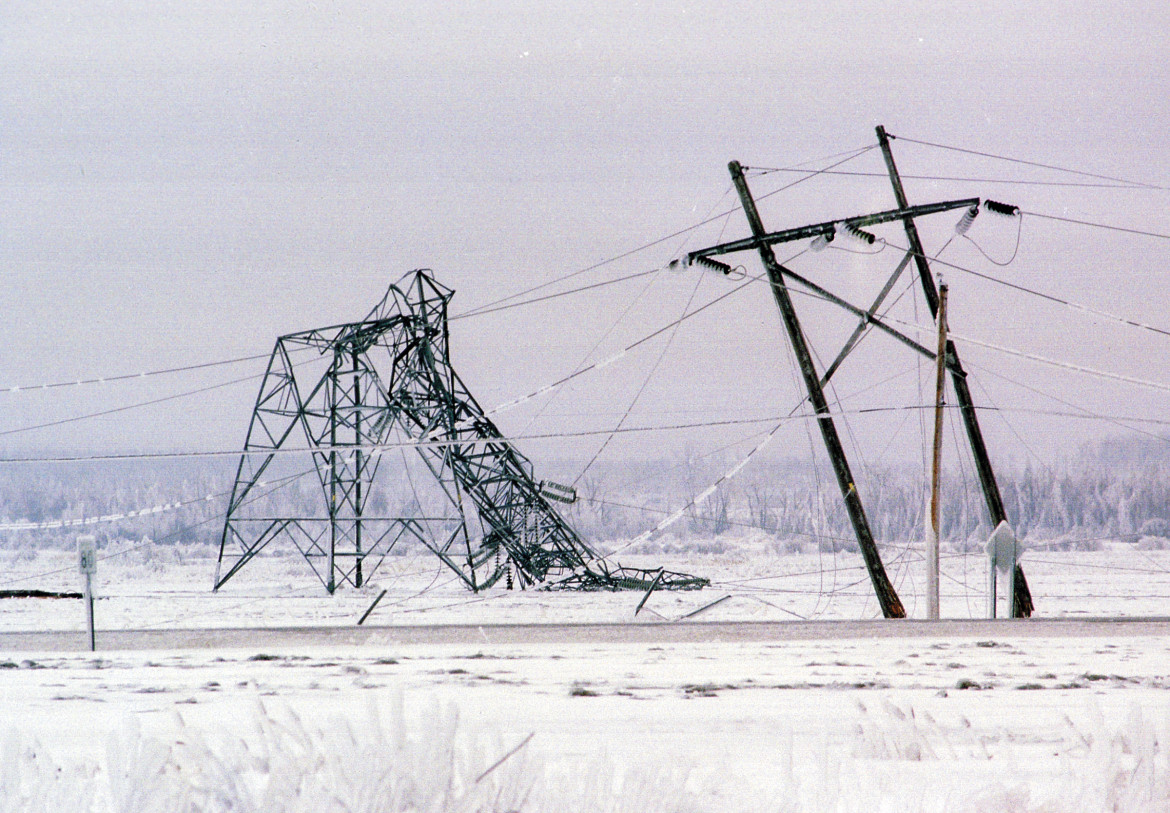
When a conductor is covered with ice and/or is exposed to wind, the effective conductor weight per unit length increases. During occasions o...
-
Hello. In this blog, we will try to create a steel pole model, using the PLS Pole software of Power Lines System. This created pole will pr...
-
Yup, you read it right. This is about the World's Longest Overhead Transmission Line as of today. It is around 1700 km in length, trans...


No comments:
Post a Comment