The following is taken in part from the OSHA, NIOSH, NSC regulations, and the American Heart Association recommendations. These are steps that should be taken in the event of a possible electrocution
(cardiac arrest).
You need to refer to the actual cardiopulmonary resuscitation (CPR) instructions for complete and detailed requirements, and to take CPR training.
• First of all, you must recognize that an emergency exists. Timing is everything. The time between the accident and arrival of paramedics is crucial. Call 911 immediately. Don’t delay.
• Don’t touch the person if he or she is still in contact with the live circuit.
• Shut off the power.
• Stay with the person while someone else contacts the paramedics, who have training in the basics of life support. In most localities, telephoning 911 will get you to the paramedics.
• Have the caller verify that the call was made and that help is on the way.
• Don’t move the person.
• Check for bleeding; stop the bleeding if it occurs.
• If the person is unconscious, check for breathing.
• The ABCs of CPR are: airway must be clear; breathing is a must, either by the victim or the rescuer; and circulation (check pulse).
• Perform CPR if the victim is not breathing— within 4 minutes is critical. If the brain is deprived of oxygen for more than 4 minutes, brain damage will occur. If it is deprived of oxygen for more than 10 minutes, the survival rate is 1 in 100. CPR keeps oxygenated blood flowing to the brain and heart.
• Defibrillation may be necessary to reestablish a normal heartbeat. Ventricular fibrillation is common with electric shock, which causes the heartbeat to be uneven and unable to properly pump blood.
• By now, the trained paramedics should have arrived to apply advanced care.
• When it comes to an electrical shock, timing is everything!
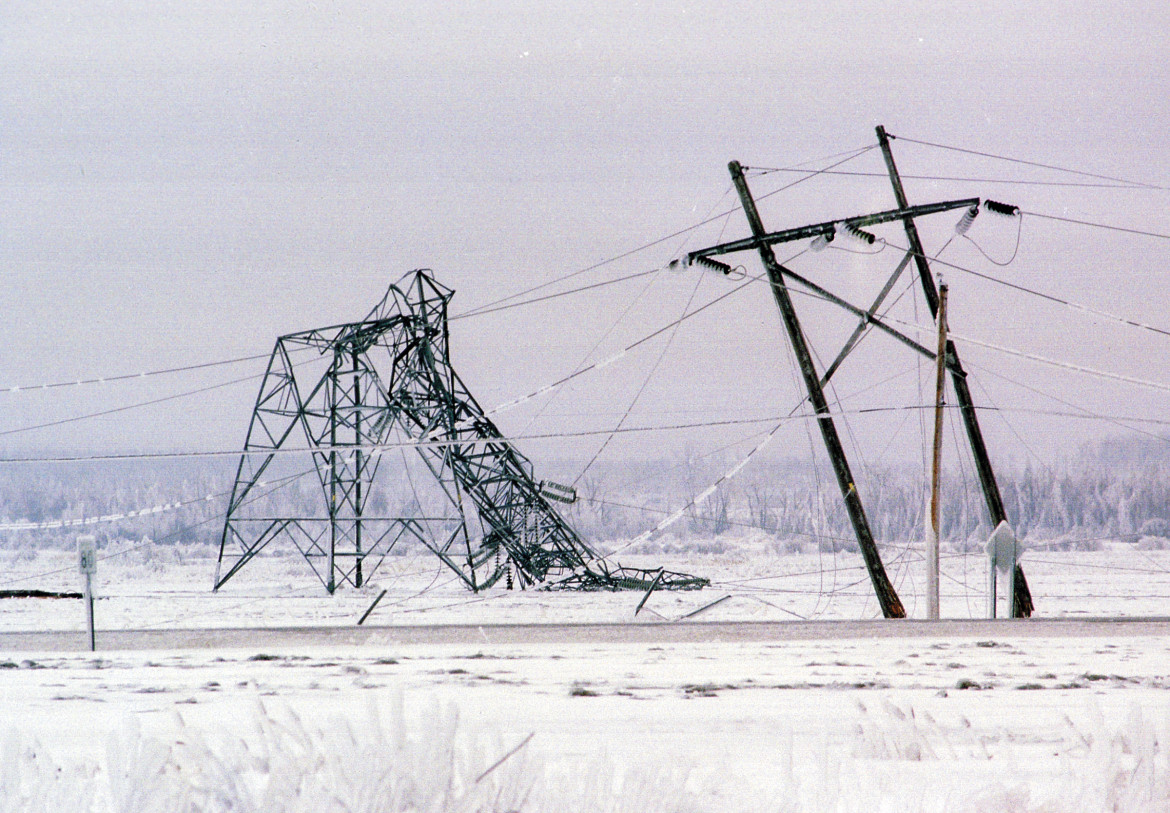
Top 5 Worst Transmission Line Disasters in History
Top 5 Worst Transmission Line Disasters in History Causes, technical failures, cascading effects, and engineering lessons learned This a...
-
Back-to-back HVDC converter stations are integrated within ac transmission links and play a role similar to that of transmission tie statio...
-
Hello. In this blog, we will try to create a steel pole model, using the PLS Pole software of Power Lines System. This created pole will pr...
-
 When a conductor is covered with ice and/or is exposed to wind, the effective conductor weight per unit length increases. During occasions o...

No comments:
Post a Comment