Upon completion of Basics of Electricity you will be able to:
• Explain the difference between conductors and insulators
• Use Ohm’s law to calculate current, voltage, and resistance
• Calculate equivalent resistance for series, parallel, or series-parallel circuits
• Calculate voltage drop across a resistor
• Calculate power given other basic values
• Identify factors that determine the strength and polarity of a current-carrying coil’s magnetic field
• Determine peak, instantaneous, and effective values of an AC sine wave
• Identify factors that effect inductive reactance and capacitive reactance in an AC circuit
• Calculate total impedance of an AC circuit
• Explain the difference between real power and apparent power in an AC circuit
• Calculate primary and secondary voltages of single-phase and three-phase transformers
• Calculate the required apparent power for a transformer
This knowledge will help you better understand customer applications In addition, you will be better able to describe products to customers and determine important differences between products.
Download link
http://www3.sea.siemens.com/step/pdfs/electricity.pdf
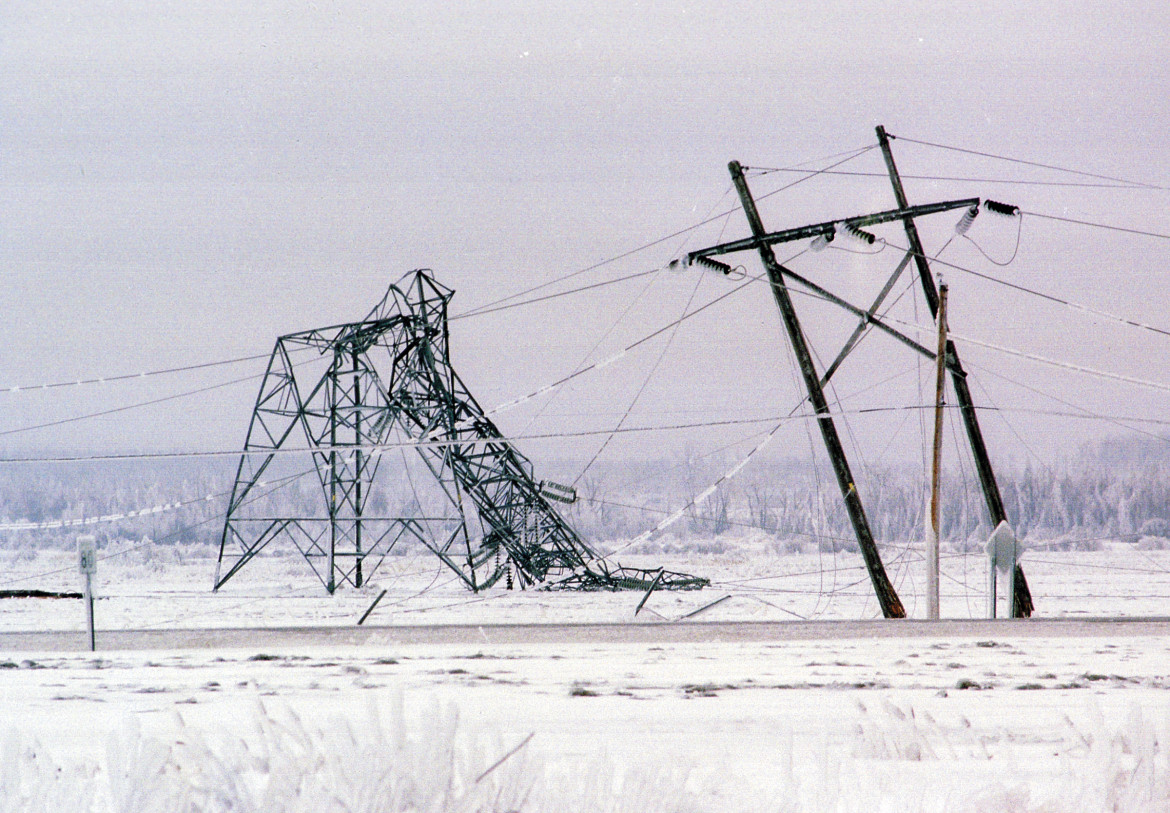
Top 5 Worst Transmission Line Disasters in History
Top 5 Worst Transmission Line Disasters in History Causes, technical failures, cascading effects, and engineering lessons learned This a...
-
Hello. In this blog, we will try to create a steel pole model, using the PLS Pole software of Power Lines System. This created pole will pr...
-
 When a conductor is covered with ice and/or is exposed to wind, the effective conductor weight per unit length increases. During occasions o...
 -
Transmission Line Sag & Tension: Complete Engineering Guide (IEC 60826 / ASCE 74 / PLS-CADD) A full technical guide on sag–tension engi...

No comments:
Post a Comment