When the line voltage applied to a polyphase induction motor are not equal, unbalanced currents in the stator windings will result. A small percentage voltage unbalance will result in a much larger percentage current unbalance. Consequently, the temperature rise of the motor operating at a particular load and percentage voltage unbalance will be greater than for the motor operating under the same conditions with balanced voltages.
Should voltages be unbalanced, the rated horsepower of the motor should be multiplied by a factor to reduce the possibility of damage to the motor. Operation of the motor above a five percent voltage unbalance condition is not recommended.
Alternating current polyphase motors shall operate successfully under running conditions at rated load when the voltage unbalance at the motor terminals does not exceed 1 percent. Performance will not necessarily be the same as when the motor is operating with a balanced voltage at the motor terminals.
Medium Motor Derating Factor Due To Unbalanced Voltage
% Voltage Unbalance = 100 x ( Maximum Voltage Deviation from Average Voltage/ Average Voltage)
Reference: NEMA Standards MG 1-1
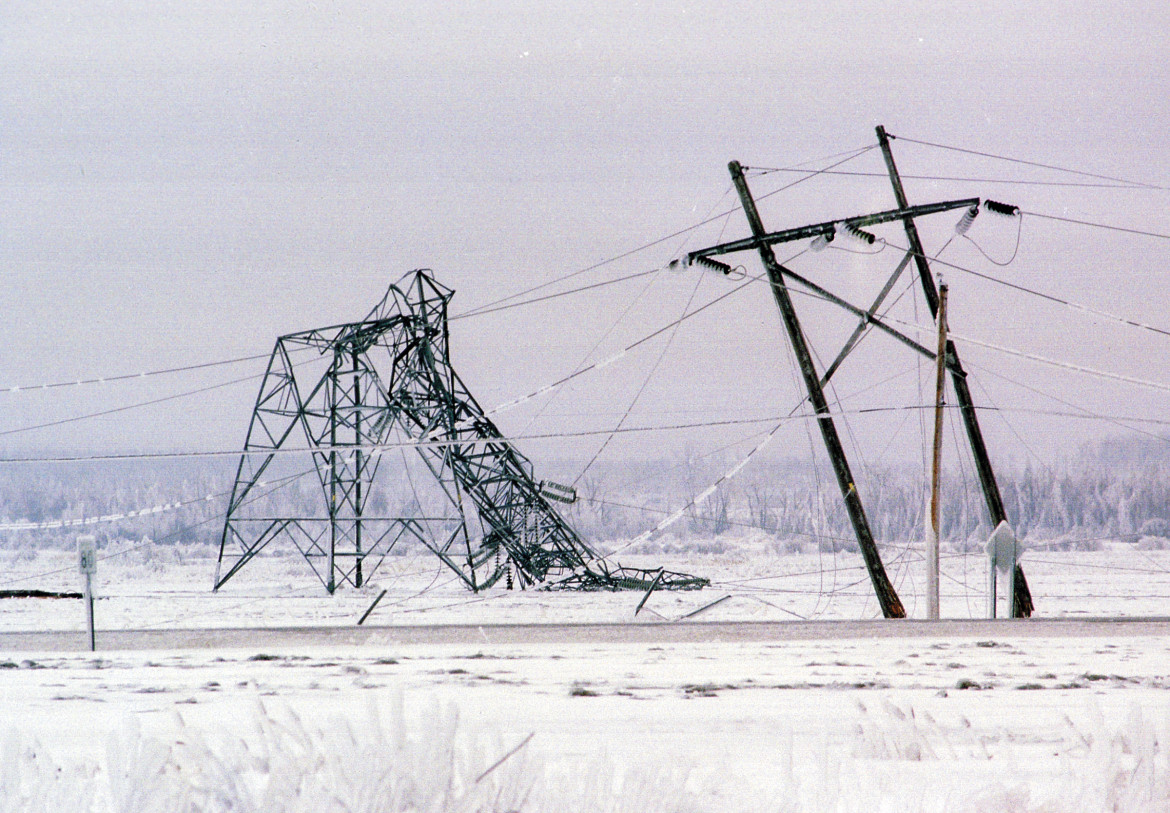
Top 5 Worst Transmission Line Disasters in History
Top 5 Worst Transmission Line Disasters in History Causes, technical failures, cascading effects, and engineering lessons learned This a...
-
Hello. In this blog, we will try to create a steel pole model, using the PLS Pole software of Power Lines System. This created pole will pr...
-
 When a conductor is covered with ice and/or is exposed to wind, the effective conductor weight per unit length increases. During occasions o...
 -
 To apply busways properly in an electric power distribution system, some of the more important items to consider are the following. Current...

No comments:
Post a Comment